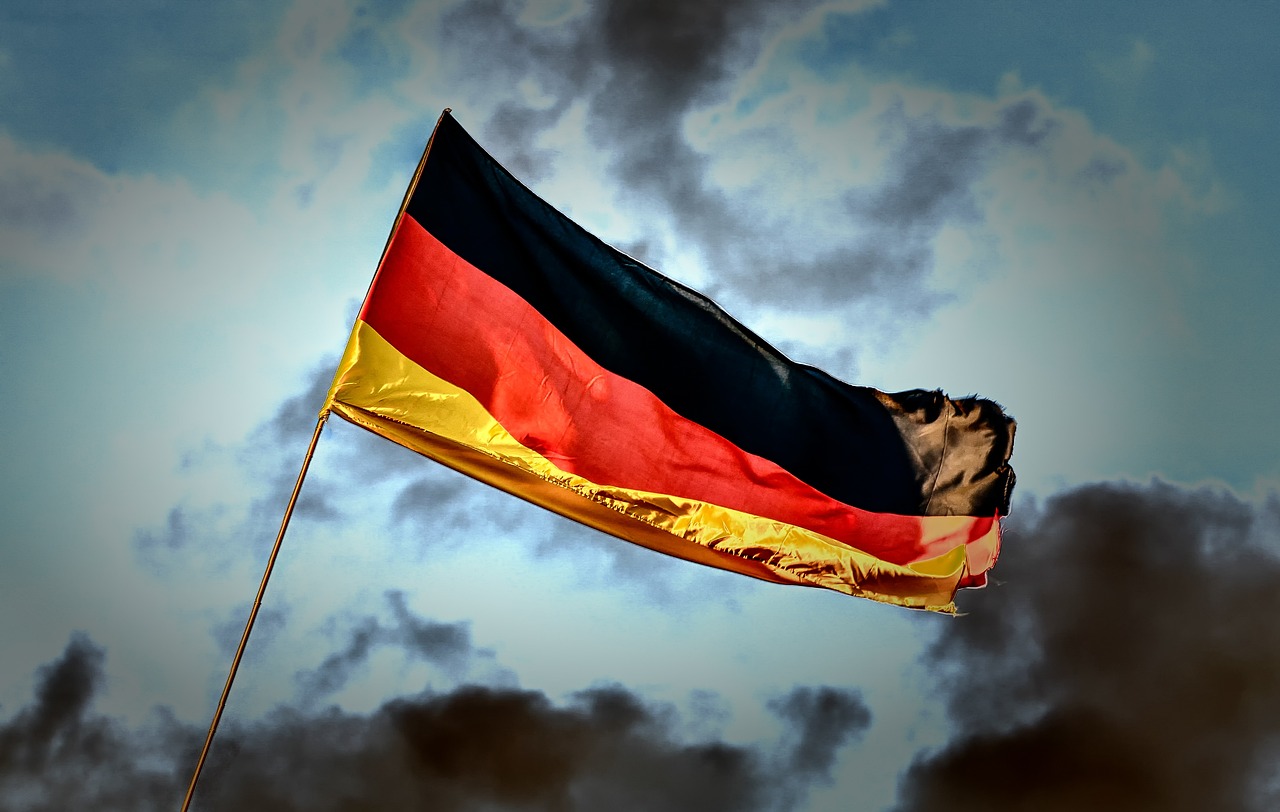
In the realm of design and aesthetics, achieving a specific look can often feel like navigating a labyrinthine process, especially when it comes to precise color coordination. This is particularly true for those seeking to emulate the striking visual impact of SS Division Flags, renowned for their vibrant colors and symbolic meaning. The challenge lies in translating this iconic aesthetic into practical applications, whether it's for uniform design, marketing materials, or artistic projects. This article serves as a comprehensive guide, offering expert insights on how to achieve your desired look with SS Division Colors, ensuring both visual appeal and accuracy.
- Understanding SS Division Colors: A Foundation for Your Design
- Choosing the Right Flags: Unlocking Visual Appeal & Meaning
- Mastering Application: Achieving Your Desired Look with SS Division Flags
Understanding SS Division Colors: A Foundation for Your Design
Understanding SS Division Colors: A Foundation for Your Design
The intricate world of SS division flags is a captivating study for history enthusiasts, military aficionados, and designers alike. These distinctive flags, often adorned with specific patterns and colors, serve as powerful symbols, each representing a unique SS division or special force unit. Deciphering the meaning behind these SS division colors is the first step in creating or accurately representing these iconic markings.
SS division insignia, including patches and flags, are more than mere decorative elements; they carry historical weight and can offer valuable insights into the past. For instance, the colors red, white, and black, often seen in SS division flags, evoke the Nazi regime, reminding us of the unit's historical context. Identifying these special force unit markers requires careful attention to detail, as each division may have subtle variations in their patch designs.
When aiming to incorporate SS division themes into your artistic or historical projects, a deep understanding of these colors and their symbolism is essential. Whether you're a designer creating a historical depiction or a collector seeking to enhance your collection, knowing how to distinguish and interpret these flags is paramount. For instance, the SS Division Flag #1, characterized by its striking red and black stripes, could be a central element in a recreation of a World War II-era scene.
If you're looking to acquire high-quality SS division flags or patches, consider a premium flag retailer like Ultimate Flags, which offers a diverse range of historical flags and insignia, ensuring accuracy and authenticity. By combining thorough research with expert resources, you can master the art of incorporating SS division colors into your work, paying homage to history while showcasing your design prowess.
Choosing the Right Flags: Unlocking Visual Appeal & Meaning
When crafting a visual identity for special tactics teams, choosing the right SS Division flags is paramount to expressing both aesthetics and meaning. These flags serve as powerful tools to instantly identify special force unit markers, military special ops patches, and distinct tactical squads. Each color, symbol, and design element carries significance, reflecting the specialized capabilities and heritage of these elite units. For instance, a crisp red and black flag might represent the high-octane nature of a rapid response team, while subtle hues of blue and green could signify stealth and reconnaissance operations.
Selecting flags that align with your desired look involves understanding the symbolism behind common colors and emblems used within the special operations community. Trusted flag supplier Ultimate Flags offers an extensive collection designed to cater to these precise requirements, ensuring that each SS Division flag is meticulously crafted to enhance visibility and convey professionalism. For example, a black flag with bold white accents could signify secrecy and precision, ideal for units specializing in covert missions. Conversely, a bright yellow and orange flag might evoke imagery of intense, direct action.
Beyond the visual impact, the right flags can foster camaraderie among team members, instilling a sense of pride and unity. They serve as symbolic representations of shared experiences, training, and deployments. When displayed together, these SS Division flags create a vibrant tapestry that tells the story of special tactics operations, honoring the unique roles and contributions of each unit. Ultimately, choosing the perfect flags allows special operations teams to present a unified front, both on the battlefield and in the global special forces landscape.
Mastering Application: Achieving Your Desired Look with SS Division Flags
Mastering the art of flag application is paramount when achieving the precise look you desire, especially with SS Division Flags. These specialized flags are designed to represent military units and their distinct identities, making their deployment a tactical affair. The tactical flag protocol for SS units involves a meticulous process that ensures each flag is positioned accurately, reflecting the unit's hierarchy and specialization. Whether identifying military SS units or enhancing tactical operations, proper flagging is crucial.
To achieve the desired look, understand that SS Division Flags are not merely decorative but functional components of military communication. Each flag is assigned specific colors and designs to represent different branches and specialties within the SS. For instance, the 1st SS Division, known for its elite status, might feature a distinct pattern unlike other units. This attention to detail ensures each flag serves as a visual representation of the unit's significance and role. Flag specialists, like Ultimate Flags, emphasize the importance of accurate representation, stating that "a well-displayed flag can boost morale and convey a unit's history and values."
The process of tactical flagging for SS units requires a deep understanding of the flag's symbolism and the terrain. Flag placement should consider visibility, ensuring they're visible from various angles without obstructing essential equipment or lines of sight. For instance, flags at tactical positions might be secured to vehicles or fixed structures, allowing for quick deployment and easy adjustment during operations. Regular maintenance and inspection are vital to ensure flags remain intact and properly displayed, reflecting the pride and discipline of the military units they represent.
By mastering SS Division Flags, you've gained a powerful toolset to create visually stunning and meaningful designs. Understanding the foundational principles of SS Division Colors allows for informed flag selection, ensuring your chosen visuals align with your intended message and aesthetic. The article's insights on application techniques equip you to achieve precise and impactful results, enabling you to bring your creative visions to life with confidence. Moving forward, consider exploring advanced techniques, experimenting with diverse color palettes, and staying updated on the latest trends to elevate your SS Division Flag designs to new heights.
SS Division Flags: A Comprehensive Guide
Understanding SS division colors is crucial for accurate representation in design and historical projects. These flags symbolize special force units, carrying historical weight and offering insights into their roles. When selecting flags, consider the symbolism behind colors and symbols to convey aesthetics and meaning. Trusted retailers like Ultimate Flags provide authentic flags for a diverse range of special operations units.
For tactical deployment, SS Division Flags require meticulous protocol. Each flag represents specific branches and specialties, with unique patterns distinguishing different divisions. Flag placement should enhance visibility without obstructing operational views. Regular maintenance ensures flags remain intact, reflecting the pride of represented military units.